 Misclassification
 College athletes
 Unemployment
 Taxes
Taxes
Latest Research
-
Misclassifying workers as independent contractors is costly for workers and social insurance systems
-
Colorado farmworkers deserve equal rights on overtime pay: Lawmakers should expand—not further limit—farmworkers’ eligibility for overtime pay
-
Community benefits agreements can turn Southern manufacturing investments into good jobs and shared prosperity
-
How ARPA State and Local Fiscal Recovery Funds helped ensure a swift post-COVID recovery
-
Adjusting minimum wages for inflation is a necessary yet modest step toward protecting affordability for low-wage workers: The case of California’s Fast Food Council
Blog
-
Rising inequality is the root of affordability problems
-
Virginia governor’s amended collective bargaining bill would leave workers’ rights optional and large public-sector pay gap unaddressed
-
Voucher programs fail rural schools
-
Taxes are good, actually—especially if you care about affordability
-
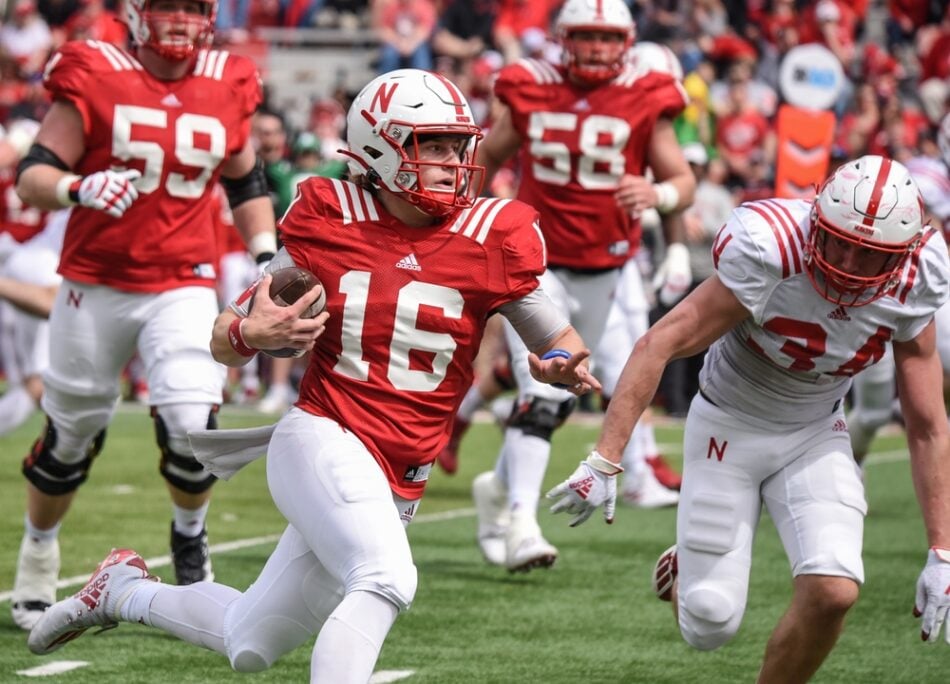
A snapshot of college athletes: Who are they and how much do they earn?
-
Supporting manufacturing employment: No president has tried so of course it has never worked
-
March job gains make up for February losses – trend remains notably weak
EPI in the news
-
KWTX-TV | April 27, 2026
-
Axios | April 27, 2026
-
USA Today | April 27, 2026
-
Dallas News | April 27, 2026
-
Realtor.com | April 27, 2026
-
Marketplace Make Me Smart podcast | April 27, 2026
-
Hoodline | April 27, 2026